
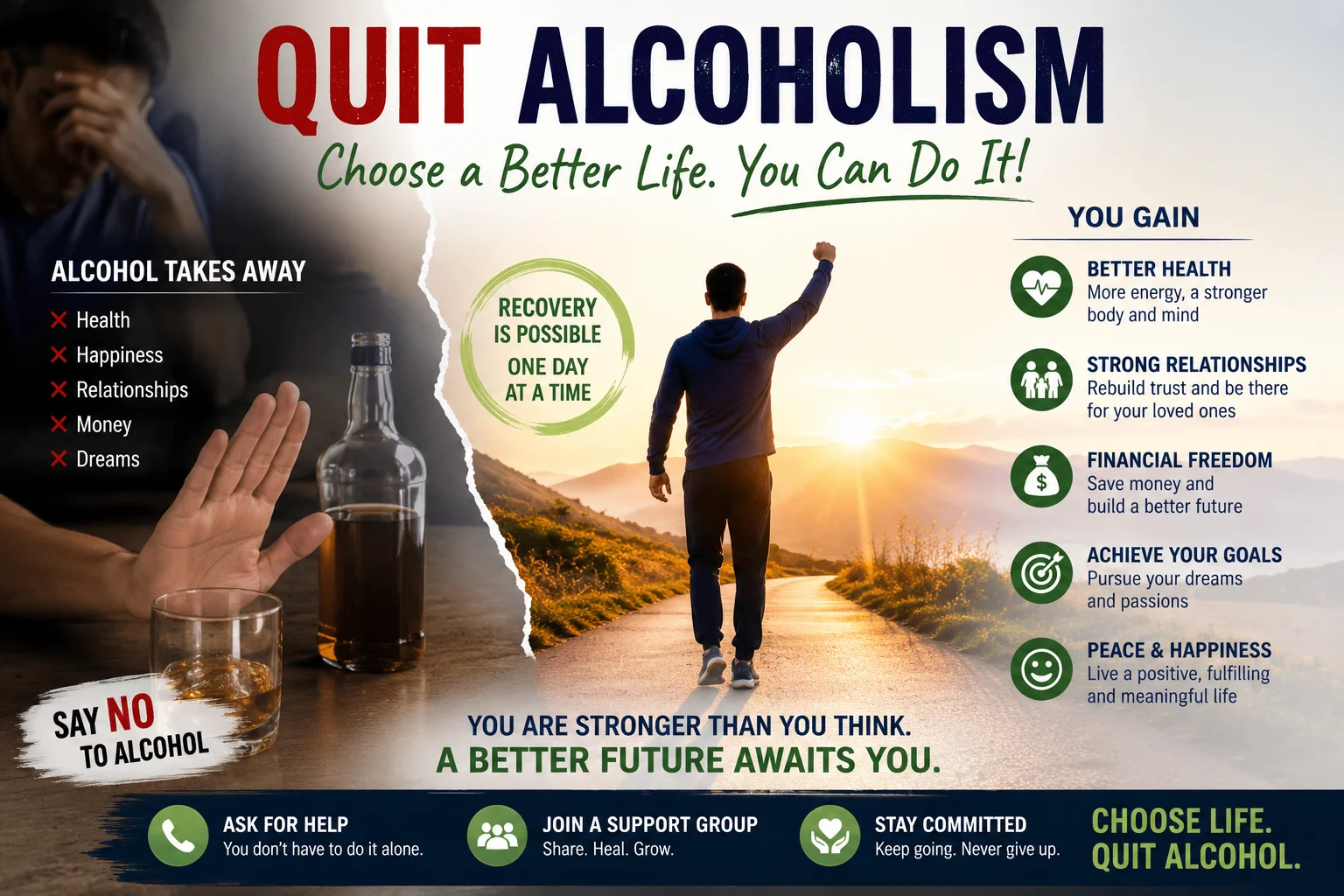
Alcoholism is a major public health problem that affects individuals, families, and communities worldwide. Its harmful effects extend beyond physical health, impacting mental wellbeing, social relationships, economic stability, and overall quality of life. Because alcoholism can lead to serious health complications, accidents, family disruption, and social problems, effective prevention and control measures are essential. Preventing alcoholism involves promoting awareness, encouraging healthy lifestyle choices, reducing risk factors, and educating people about the dangers of excessive alcohol consumption. For those already affected, early identification, appropriate treatment, counseling, rehabilitation, and social support play crucial roles in recovery. A comprehensive approach involving individuals, families, healthcare professionals, educational institutions, and communities is necessary to reduce the burden of alcoholism and promote healthier and more productive lives.
Measures for Preventing Alcoholism
1. Increase Awareness About the Harmful Effects of Alcohol
Health education programs help people understand the physical, mental, and social consequences of alcohol misuse, reducing the likelihood of harmful drinking behaviors.
Research link:
World Health Organization Alcohol Prevention Strategies
https://www.who.int/news-room/fact-sheets/detail/alcohol?utm_source=chatgpt.com
2. Promote Healthy Coping Skills for Stress
Teaching stress-management techniques such as exercise, meditation, relaxation, and problem-solving can reduce reliance on alcohol as a coping mechanism.
Research link:
Stress and Alcohol Use Disorders NCBI Review
https://pmc.ncbi.nlm.nih.gov/articles/PMC3860387/?utm_source=chatgpt.com
3. Strengthen Family Support and Communication
Supportive family relationships and open communication can protect individuals, especially adolescents, from developing alcohol-related problems.
Research link:
Family Based Prevention Programs for Alcohol Misuse NCBI Article
https://pmc.ncbi.nlm.nih.gov/articles/PMC6986353/
4. Avoid Peer Pressure and High Risk Drinking Environments
Encouraging positive social networks and avoiding environments that promote excessive drinking can reduce alcohol initiation and misuse.
Research link:
Peer Influence and Adolescent Alcohol Use NCBI Article
https://pmc.ncbi.nlm.nih.gov/articles/PMC6661693/
5. School and Community Based Prevention Programs
Educational and community interventions can effectively delay alcohol initiation and reduce harmful drinking patterns.
Research link:
School Based Alcohol Prevention Programs Cochrane Review
6. Limit Alcohol Availability and Accessibility
Policies such as restricting sales, increasing the legal drinking age, and limiting alcohol outlet density help reduce alcohol consumption.
Research link:
World Health Organization Global Strategy to Reduce Harmful Alcohol Use
https://www.who.int/publications/i/item/9789241599931?utm_source=chatgpt.com
7. Restrict Alcohol Advertising and Promotion
Reducing exposure to alcohol marketing, especially among young people, can decrease alcohol initiation and consumption.
Research link:
Alcohol Marketing and Youth Drinking NCBI Review
https://pubmed.ncbi.nlm.nih.gov/27565582/
8. Early Screening and Brief Intervention
Identifying risky drinking behaviors early through healthcare screening and counseling can prevent progression to alcohol dependence.
Research link:
Screening and Brief Intervention for Alcohol Misuse NCBI Review
https://pmc.ncbi.nlm.nih.gov/articles/PMC2966031/
9. Encourage Participation in Sports and Recreational Activities
Engagement in healthy activities can improve wellbeing, reduce stress, and lower the likelihood of alcohol misuse.
Research link:
Physical Activity and Substance Use Prevention NCBI Article
https://pmc.ncbi.nlm.nih.gov/articles/PMC11201577/
10. Seek Professional Help for Mental Health Problems
Early treatment of depression, anxiety, and other mental health conditions can reduce the risk of self-medicating with alcohol.
Research link:
Alcohol Use Disorders and Mental Health NCBI Review
https://www.ncbi.nlm.nih.gov/books/NBK436003/
Therefore, effective prevention of alcoholism involves education, healthy coping strategies, strong family and community support, early intervention, responsible policies, and timely mental health care.
Control Measures of Alcoholism
1. Early Diagnosis and Treatment
Early diagnosis identifies harmful drinking patterns before they progress to severe alcohol dependence. Once alcohol use disorder is recognized, healthcare professionals can provide counseling, behavioral therapy, medical treatment, and support services at an earlier stage. This helps individuals reduce or stop alcohol consumption before significant damage occurs.
Early intervention can:
Prevent the development of severe alcohol dependence.
Reduce the risk of liver disease, heart disease, and other health complications.
Improve mental health and emotional wellbeing.
Prevent family conflicts, job loss, and financial problems.
Lower the risk of accidents, injuries, and alcohol-related violence.
Increase the likelihood of successful recovery and long-term abstinence.
Early diagnosis allows prompt treatment and support, helping individuals overcome alcohol problems before they cause serious physical, mental, and social harm.
Research link:
Screening and Treatment for Alcohol Use Disorder NCBI Review
https://pmc.ncbi.nlm.nih.gov/articles/PMC6883141/
2. Counseling and Behavioral Therapy
Therapies such as Cognitive Behavioral Therapy (CBT) and Motivational Enhancement Therapy help individuals change drinking behaviors and prevent relapse.
Cognitive Behavioral Therapy (CBT) helps individuals identify and change unhealthy thoughts, emotions, and behaviors that contribute to alcohol use. It teaches practical skills to manage stress, avoid triggers, cope with cravings, solve problems, and develop healthier habits instead of drinking.
Motivational Enhancement Therapy (MET) helps individuals strengthen their motivation and commitment to change. Through supportive counseling, it helps them recognize the negative consequences of alcohol use, resolve ambivalence about quitting, and build confidence in their ability to recover.
Together, these therapies help individuals:
Reduce alcohol consumption.
Develop healthy coping strategies.
Improve self-control and decision-making.
Manage cravings and high-risk situations.
Prevent relapse and maintain long-term recovery.
CBT changes the thoughts and behaviors that lead to drinking, while MET increases motivation to quit, helping individuals achieve and maintain recovery from alcoholism.
Research link:
Behavioral Treatments for Alcohol Use Disorder National Institute on Alcohol Abuse and Alcoholism
https://medlineplus.gov/alcoholusedisorderaudtreatment.html
3. Medications for Alcohol Dependence
Certain medications can reduce cravings, decrease alcohol consumption, and support long-term recovery when prescribed by healthcare professionals.
Medications Used for Alcohol Dependence and How They Work
i). Naltrexone
Reduces the pleasurable effects of alcohol.
Helps decrease cravings and heavy drinking.
ii). Acamprosate
Helps restore the balance of brain chemicals altered by chronic alcohol use.
Reduces cravings and supports abstinence.
iii). Disulfiram
Causes unpleasant reactions (nausea, vomiting, flushing) if alcohol is consumed.
Discourages drinking by creating a strong negative association.
iv). Topiramate
May reduce cravings and decrease the rewarding effects of alcohol.
Can help reduce alcohol consumption.
v). Gabapentin
May help reduce cravings, anxiety, and sleep problems during recovery.
Supports abstinence in some individuals.
So,
Naltrexone reduces alcohol's rewarding effects, Acamprosate decreases cravings, Disulfiram discourages drinking through unpleasant reactions, and Topiramate and Gabapentin may help reduce cravings and support recovery. These medications are most effective when combined with counseling and behavioral therapy.
Research link:
Medications for Alcohol Use Disorder National Institute on Alcohol Abuse and Alcoholism
https://medlineplus.gov/alcoholusedisorderaudtreatment.html
4. Participation in Support Groups
Peer-support programs such as Alcoholics Anonymous provide encouragement, accountability, and long-term recovery support.
Peer-support programs bring together individuals who are recovering from alcohol dependence and share similar experiences. Members provide emotional support, encouragement, understanding, and practical advice to one another. Regular meetings help individuals stay motivated, learn coping strategies, and develop healthier behaviors.
These programs help by:
Reducing feelings of loneliness and isolation.
Providing encouragement during difficult times.
Promoting accountability for maintaining sobriety (Sobriety is the state of being completely free from the influence of alcohol or drugs)
Offering role models who have successfully recovered.
Helping individuals manage cravings and prevent relapse.
Building a supportive social network that encourages long-term recovery.
So, Peer-support groups such as Alcoholics Anonymous help people stay sober by providing encouragement, shared experiences, accountability, and ongoing emotional support throughout recovery.
Research link:
Alcoholics Anonymous and Recovery Outcomes NCBI Review
https://pmc.ncbi.nlm.nih.gov/articles/PMC8060988/
5. Family Therapy and Social Support
Involving family members in treatment can improve recovery outcomes and help rebuild healthy relationships.
Family members play an important role in the recovery process. Family therapy helps improve communication, rebuild trust, resolve conflicts, and create a supportive home environment. It also educates family members about alcoholism, enabling them to better understand the condition and provide appropriate support.
Family involvement helps by:
Encouraging the individual to stay committed to treatment.
Providing emotional support during recovery.
Reducing family conflicts and misunderstandings.
Rebuilding trust and strengthening relationships.
Helping identify and manage triggers for drinking.
Reducing the risk of relapse through ongoing support and monitoring.
So, Involving family members in treatment creates a supportive environment, improves relationships, strengthens motivation for recovery, and increases the chances of long-term sobriety.
Research link:
Family Involvement in Alcohol Use Disorder Treatment NCBI Article
https://pmc.ncbi.nlm.nih.gov/articles/PMC8104924/
6. Rehabilitation Programs
Structured inpatient or outpatient rehabilitation programs provide medical care, counseling, and relapse-prevention strategies.
Rehabilitation programs provide a structured and supportive environment where individuals receive comprehensive treatment for alcohol dependence. Depending on the severity of the condition, treatment may be offered through inpatient (residential) or outpatient programs.
These programs help by:
Providing medical supervision during detoxification and withdrawal.
Offering individual and group counseling to address the causes of alcohol use.
Teaching coping skills to manage stress, cravings, and triggers.
Helping individuals develop healthier lifestyle habits.
Providing education about alcoholism and recovery.
Implementing relapse-prevention strategies to maintain long-term sobriety.
Offering ongoing support and follow-up care after treatment.
So, Rehabilitation programs combine medical care, counseling, education, and relapse-prevention training to help individuals stop drinking, recover safely, and maintain long-term sobriety.
Research link:
Effectiveness of Alcohol Rehabilitation Programs NCBI Review
https://www.ncbi.nlm.nih.gov/books/NBK561234/
7. Management of Coexisting Mental Health Disorders
Treating conditions such as depression and anxiety alongside alcoholism improves recovery and reduces relapse risk.
Mental health conditions such as depression, anxiety, stress disorders, and other psychological problems often occur alongside alcoholism. Many individuals use alcohol to temporarily cope with emotional distress, but this can worsen both the mental health condition and alcohol dependence over time.
Treating these conditions helps by:
Reducing symptoms of depression, anxiety, and emotional distress.
Decreasing the urge to use alcohol as a coping mechanism.
Improving emotional stability and overall wellbeing.
Enhancing participation in counseling and rehabilitation programs.
Strengthening healthy coping skills for managing stress.
Lowering the likelihood of relapse after treatment.
So, When depression, anxiety, and other mental health problems are treated together with alcoholism, individuals are better able to manage their emotions, reduce alcohol cravings, and maintain long-term recovery.**
Research link:
Alcohol Use Disorders and Co Occurring Mental Disorders NCBI Review
https://pmc.ncbi.nlm.nih.gov/articles/PMC5958183/
8. Relapse Prevention Strategies
Learning to identify triggers, avoid high-risk situations, and develop healthy coping skills helps maintain long-term sobriety.
Relapse prevention focuses on helping individuals recognize and manage situations that may lead them back to drinking. Common triggers include stress, negative emotions, social pressure, certain people or places, and alcohol-related cues.
These strategies help by:
Identifying personal triggers that increase the urge to drink.
Avoiding high-risk situations where alcohol is easily available or encouraged.
Developing healthy coping skills such as exercise, relaxation techniques, hobbies, and problem-solving.
Learning ways to manage cravings and emotional stress.
Building confidence in handling challenging situations without alcohol.
Strengthening commitment to recovery and long-term sobriety.
So, By recognizing triggers, avoiding risky situations, and using healthy coping strategies, individuals can reduce cravings, prevent relapse, and maintain long-term recovery from alcoholism
Research link:
Relapse Prevention for Alcohol Use Disorders NCBI Article
https://pmc.ncbi.nlm.nih.gov/articles/PMC6760427/
9. Restricting Alcohol Availability and Enforcing Policies
Government measures such as taxation, limiting sales hours, and enforcing drinking-and-driving laws help reduce alcohol-related harm.
Government policies reduce alcohol-related harm by making alcohol less accessible, less affordable, and discouraging risky drinking behaviors.
These measures help by:
Increasing taxes on alcohol: Higher prices reduce alcohol consumption, especially among young people and heavy drinkers.
Limiting sales hours and locations: Restricting when and where alcohol can be purchased reduces availability and impulsive drinking.
Enforcing minimum legal drinking age laws: Delays the initiation of alcohol use among adolescents and young adults.
Implementing drinking-and-driving laws: Penalties, breath-testing programs, and strict enforcement reduce alcohol-related road traffic accidents and deaths.
Restricting alcohol advertising: Reduces exposure to alcohol promotion, particularly among youth.
Regulating alcohol outlets: Limiting the number of places that sell alcohol can reduce excessive consumption and alcohol-related violence.
So, Government policies such as taxation, sales restrictions, advertising controls, and strict enforcement of drinking-and-driving laws help reduce alcohol consumption, prevent alcohol-related injuries, and protect public health.
Research link:
World Health Organization Best Buys for Alcohol Control
https://www.who.int/initiatives/SAFER
10. Long Term Follow Up and Monitoring
Regular follow-up visits, counseling, and support services help individuals maintain recovery and detect relapse early.
Recovery from alcoholism is an ongoing process, and the risk of relapse can persist even after successful treatment. Regular follow-up visits, counseling sessions, and support services help individuals stay focused on their recovery goals and address challenges before they lead to relapse.
These measures help by:
Monitoring progress and identifying early warning signs of relapse.
Providing ongoing emotional support and encouragement.
Reinforcing healthy coping strategies and lifestyle changes.
Helping individuals manage stress, cravings, and difficult situations.
Addressing new mental health, family, or social problems that may arise.
Maintaining motivation and commitment to long-term sobriety.
Allowing healthcare professionals to adjust treatment plans when needed.
So, Regular follow-up care provides continuous support, helps detect relapse e
Research link:
Continuing Care for Alcohol Use Disorders NCBI Review
https://pmc.ncbi.nlm.nih.gov/articles/PMC7813220/
Conclusion:
Control of alcoholism requires a comprehensive approach involving early treatment, counseling, medications, rehabilitation, family support, relapse prevention, and public health policies to promote long-term recovery and reduce alcohol-related harm.