
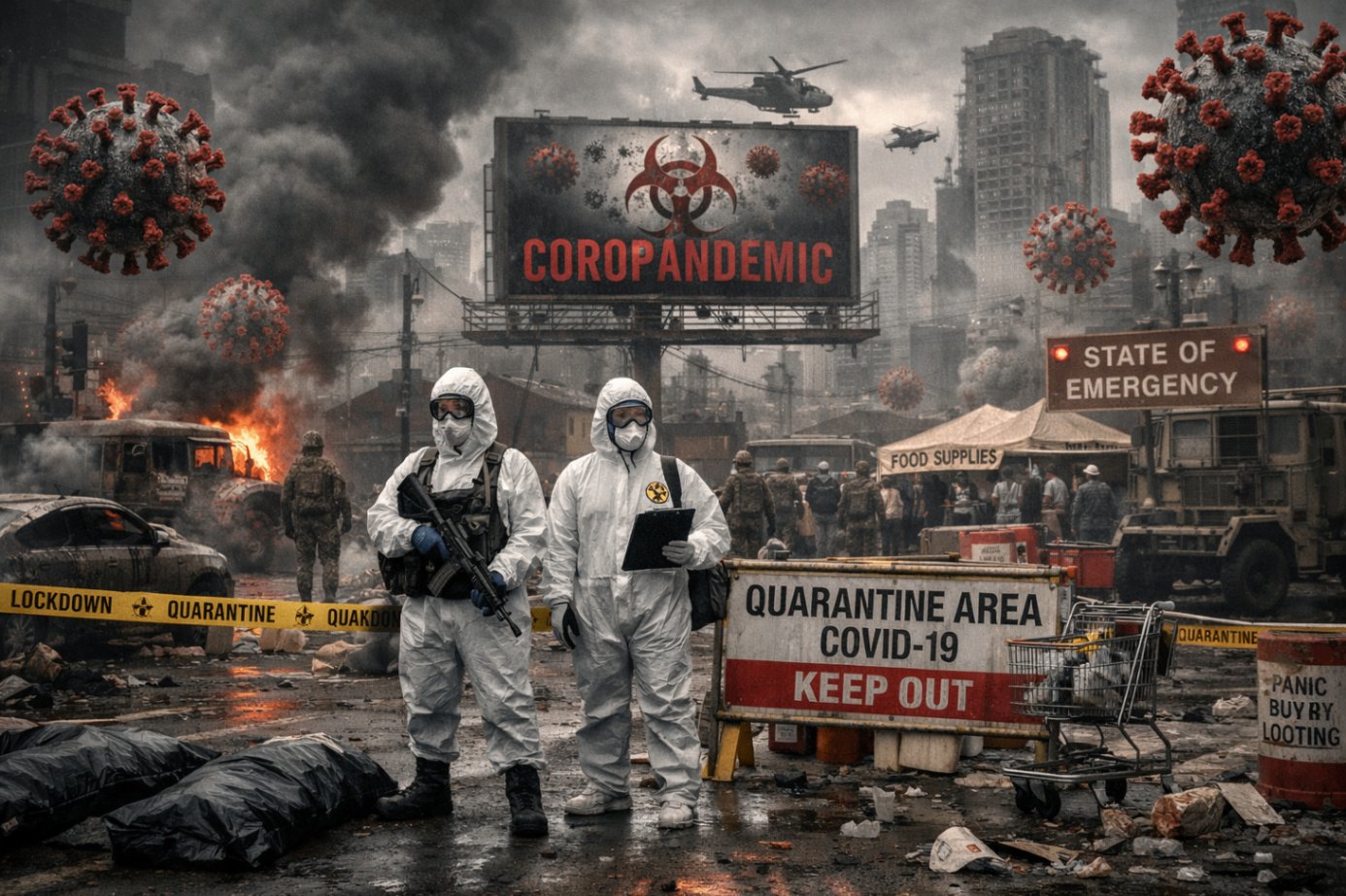
Coronavirus disease 2019 (COVID-19) is a highly contagious infectious disease caused by the Severe Acute Respiratory Syndrome Coronavirus 2 (SARS-CoV-2). First identified in late 2019, the disease rapidly spread across the globe, leading to one of the largest public health emergencies in modern history. COVID-19 affects people of all ages and can range from a mild respiratory illness to severe disease, pneumonia, multi-organ complications, and death.
The virus primarily spreads through respiratory droplets and aerosols released when an infected person coughs, sneezes, talks, or breathes. Common symptoms include fever, cough, fatigue, sore throat, loss of taste or smell, and breathing difficulties. While most individuals recover completely, older adults and people with underlying medical conditions are at greater risk of developing severe illness.
The COVID-19 pandemic highlighted the importance of public health measures such as hand hygiene, mask use, vaccination, physical distancing, and early detection of infections. Advances in medical research led to the rapid development of vaccines and improved treatment strategies, significantly reducing the burden of the disease. Understanding COVID-19 and its prevention remains essential for protecting individual and community health and for strengthening preparedness against future infectious disease outbreaks.
Prevalence of Coronavirus Disease (COVID-19) in West Bengal
West Bengal was one of the states significantly affected by the COVID-19 pandemic. Since the first reported cases in 2020, the state has experienced multiple waves of infection, particularly during 2021 and early 2022. By the end of the pandemic period, West Bengal had recorded more than 2 million confirmed cases and over 21,000 deaths, making it one of the most affected states in India.
Study/Reference:
WHO COVID-19 Dashboard: WHO COVID-19 Dashboard
https://data.who.int/dashboards/covid19?utm_source=chatgpt.com
West Bengal COVID-19 surveillance data: https://www.wbhealth.gov.in
Prevalence of Coronavirus Disease (COVID-19) in India
India reported one of the world's largest COVID-19 outbreaks. According to WHO data, India recorded more than 45 million confirmed cases and over 530,000 reported deaths during the pandemic. The second wave in 2021, driven largely by the Delta variant, resulted in an unprecedented surge in cases and hospitalizations.
Study/Reference:
WHO COVID-19 Cases Database: WHO COVID-19 Cases Database
https://data.who.int/dashboards/covid19/cases?utm_source=chatgpt.com
India COVID-19 epidemiological reports: Ministry of Health and Family Welfare, Government of India
https://एमओएचएफडब्ल्यू.सरकार.भारत/?utm_source=chatgpt.com
Global Prevalence of Coronavirus Disease (COVID-19)
COVID-19 became a global pandemic after its emergence in late 2019. According to the WHO, the world has reported more than 775 million confirmed cases and over 7 million reported deaths. The disease affected virtually every country and territory, making it one of the largest infectious disease outbreaks in recorded history. WHO notes that the true number of infections is likely much higher because of underreporting and reduced testing in many regions.
Study/Reference:
WHO Global COVID-19 Dashboard: WHO Global COVID-19 Dashboard
https://data.who.int/dashboards/covid19?utm_source=chatgpt.com
WHO COVID-19 Data Repository: WHO COVID-19 Data Repository
https://data.who.int/dashboards/covid19?utm_source=chatgpt.com
Summary
Region | Prevalence |
|---|---|
West Bengal | More than 2 million confirmed cases were reported during the pandemic period |
India | More than 45 million confirmed cases reported |
World | More than 775 million confirmed cases have been reported globally |
These figures represent reported confirmed cases and may underestimate the true burden of COVID-19 because many infections were asymptomatic or never officially tested.
Causes of Coronavirus Disease (COVID-19)
COVID-19 is caused by the Severe Acute Respiratory Syndrome Coronavirus 2 (SARS-CoV-2), a highly infectious virus that primarily affects the respiratory system.
Main Causes and Sources of Infection
1. Infection with SARS-CoV-2 Virus
The direct cause of COVID-19 is infection by the SARS-CoV-2 virus.
2. Respiratory Droplet Transmission
The virus spreads through droplets released when an infected person coughs, sneezes, talks, sings, or breathes.
3. Airborne Transmission
Tiny virus-containing aerosols can remain suspended in the air, especially in crowded or poorly ventilated indoor spaces.
4. Close Contact with Infected Persons
Being in proximity to an infected individual increases the risk of transmission.
5. Contact with Contaminated Surfaces
Although less common, infection may occur by touching contaminated surfaces and then touching the eyes, nose, or mouth.
6. Crowded and Poorly Ventilated Environments
The virus spreads more easily in crowded places with inadequate ventilation.
7. Lack of Preventive Measures
Not wearing masks, poor hand hygiene, and inadequate physical distancing can increase the risk of infection.
8. Exposure to New Variants
New variants of SARS-CoV-2 may spread more efficiently, leading to increased transmission.
Summary:
COVID-19 is caused by infection with the SARS-CoV-2 virus, which spreads mainly through respiratory droplets, airborne particles, and close contact with infected individuals.
Pathophysiology of Coronavirus Disease (COVID-19)
COVID-19 is caused by the SARS-CoV-2 virus, which primarily affects the respiratory system but can also involve multiple organs.
1. Viral Entry into the Body
The virus enters the body through the nose, mouth, or eyes and reaches the respiratory tract. It attaches to ACE2 receptors present on the surface of respiratory epithelial cells.
The ACE2 receptor (Angiotensin-Converting Enzyme 2) is a protein on the surface of many cell types in the human body. It acts as a crucial cellular entry point for coronaviruses, including SARS-CoV and SARS-CoV-2 (COVID-19), but natively plays a major role in regulating blood pressure.
2. Viral Replication
After entering the cells, the virus releases its genetic material and uses the host cell machinery to produce new viral particles. These newly formed viruses infect neighboring cells.
3. Local Inflammatory Response
The infected cells trigger an immune response, causing inflammation in the respiratory tract. This leads to symptoms such as: Fever, Cough, Sore throat, Fatigue
4. Lung Involvement
As the infection progresses, the virus can spread to the lungs, causing: Pneumonia, Damage to alveoli (air sacs), Impaired oxygen exchange, Shortness of breath
5. Cytokine Storm
In severe cases, the immune system releases excessive inflammatory mediators called cytokines. This exaggerated immune response, known as a cytokine storm, can cause widespread tissue damage.
Cytokines are small signaling proteins that act as the chemical messengers of our immune system. They are secreted by immune and non-immune cells to control inflammation, coordinate the body's defense against infections,
6. Blood Vessel and Clotting Abnormalities
The virus may damage blood vessel lining (endothelium), leading to increased blood clot formation, Microvascular thrombosis, and reduced blood flow to organs
7. Multi-Organ Involvement
Because ACE2 receptors are found in many organs, SARS-CoV-2 can affect the heart (myocarditis, arrhythmias), Kidneys (acute kidney injury), brain (neurological symptoms), Liver, and gastrointestinal tract
8. Severe Disease and Organ Failure
Extensive lung injury, inflammation, and clot formation can result in: Acute Respiratory Distress Syndrome (ARDS), Respiratory failure, Multi-organ dysfunction, Death
Summary:
The pathophysiology of COVID-19 involves viral entry through ACE2 receptors, replication within host cells, immune-mediated inflammation, lung damage, abnormal blood clotting, and possible multi-organ involvement, leading to outcomes ranging from mild illness to severe respiratory failure and death.
Clinical Manifestations of Coronavirus Disease (COVID-19)
The clinical manifestations of COVID-19 range from asymptomatic infection to severe respiratory disease and multi-organ complications.
1. General Manifestations:
Fever, Chills, Fatigue, Malaise, Headache, Muscle and body aches (myalgia)
2. Respiratory Manifestations
Dry cough, Sore throat, Nasal congestion, Runny nose, Shortness of breath (dyspnea), Pneumonia, Acute Respiratory Distress Syndrome (ARDS)
3. Neurological Manifestations
Loss of smell (anosmia), Loss of taste (ageusia), Dizziness, Confusion, Headache, Seizures (rare), Stroke (in severe cases)
4. Gastrointestinal Manifestations
Nausea, Vomiting, Diarrhea, Abdominal pain, Loss of appetite
5. Cardiovascular Manifestations
Chest pain, Palpitations, Myocarditis (inflammation of the heart muscle), Arrhythmias, Thromboembolic complications
6. Dermatological Manifestations
Skin rash, Urticaria (hives), COVID toes (red or purple discoloration of toes and fingers)- a condition characterized by red, swollen, or purple discoloration on the toes and sometimes fingers, which resembles frostbite
7. Severe Manifestations
Severe pneumonia, Respiratory failure, Septic shock, Multi-organ dysfunction syndrome (MODS), Death
8. Post-COVID or Long COVID Manifestations
Persistent fatigue, Breathlessness, Cognitive impairment ("brain fog"), Sleep disturbances, Anxiety and depression, Reduced exercise tolerance
Summary:
The hallmark clinical manifestations of COVID-19 are fever, cough, fatigue, loss of taste or smell, and respiratory symptoms, which may progress to pneumonia and respiratory failure in severe cases.
Prevention and Control of Coronavirus Disease (COVID-19) in the Community
Effective prevention and control of COVID-19 in the community require a combination of personal protective measures, public health interventions, and community participation.
1. Vaccination
Receive recommended COVID-19 vaccines and booster doses.
Vaccination reduces the risk of severe illness, hospitalization, and death.
2. Hand Hygiene
Wash hands frequently with soap and water for at least 20 seconds.
Use alcohol-based hand sanitizer when soap and water are unavailable.
3. Respiratory Hygiene
Cover the mouth and nose with a tissue or elbow when coughing or sneezing.
Dispose of used tissues properly.
4. Use of Face Masks
Wear masks in crowded places, healthcare settings, or during outbreaks.
Masks help reduce the spread of respiratory droplets.
N95 or KN95 respirators provide the highest level of protection and are recommended for healthcare workers and high-risk situations.
Surgical masks offer good protection and are suitable for most public settings.
Well-fitted multi-layer cloth masks can provide some protection when medical masks are not available.
So, N95/KN95 masks are the most effective, followed by surgical masks. Masks should fit snugly over the nose and mouth for maximum protection.
N95: The letter "N" means the mask is not resistant to oil, and "95" means it can filter at least 95% of airborne particles under testing conditions.
KN95: The letters "KN" indicate that the mask meets the Chinese filtration standard, and "95" means it can also filter at least 95% of airborne particles.
5. Physical Distancing
Maintain a safe distance from individuals who are sick.
Avoid overcrowded gatherings, especially during periods of high transmission.
Physical Distancing in the Prevention of COVID-19
To reduce the spread of COVID-19, individuals should maintain a distance of at least 1 meter (3 feet) from others, especially those who are coughing, sneezing, or showing symptoms of illness.
During periods of high transmission or in crowded indoor settings, a distance of 2 meters (6 feet) provides additional protection.
Chu DK, Akl EA, Duda S, et al. (2020).
"Physical distancing, face masks, and eye protection to prevent person-to-person transmission of SARS-CoV-2 and COVID-19: a systematic review and meta-analysis." Published in The Lancet.
https://www.thelancet.com/journals/lancet/article/PIIS0140-6736(20)31142-9/fulltext
Key Finding (Short)
The study found that maintaining a physical distance of at least 1 meter (3 feet) significantly reduces the risk of virus transmission, and greater distances (up to 2 meters or more) provide even greater protection.
6. Improve Ventilation
Keep windows and doors open whenever possible.
Ensure adequate airflow in homes, schools, workplaces, and public places.
7. Early Testing and Diagnosis
Seek testing if symptoms develop or after exposure to a confirmed case.
Early diagnosis helps prevent further spread.
Early Testing and Diagnosis of Coronavirus Disease (COVID-19)
Main tests used for COVID-19 diagnosis:
a). RT-PCR (Reverse Transcription Polymerase Chain Reaction)
Detects the genetic material (RNA) of the virus.
Considered the gold standard for diagnosis.
Usually performed using nasal or throat swab samples.
b). Rapid Antigen Test (RAT)
Detects viral proteins (antigens).
Provides results within 15–30 minutes.
Faster but generally less sensitive than RT-PCR.
c). NAAT (Nucleic Acid Amplification Tests)
Includes RT-PCR and other molecular tests.
Highly accurate for detecting active infection.
d). Antibody (Serology) Test
Detects antibodies produced after infection or vaccination.
Useful for determining past exposure, not for early diagnosis of active infection.
e). Chest Imaging (Chest X-ray or CT Scan)
May help assess lung involvement in moderate to severe cases.
Not used as a primary diagnostic test.
Key Study Link
Corman VM et al. (2020) – One of the earliest and most widely cited studies describing the RT-PCR test for SARS-CoV-2:
https://pmc.ncbi.nlm.nih.gov/articles/PMC6988269/?utm_source=chatgpt.com
Detection of 2019 novel coronavirus (SARS‑CoV‑2) by real‑time RT‑PCR
Conclusion: Early testing using RT-PCR or other molecular tests enables prompt diagnosis, isolation, treatment, and prevention of COVID-19 transmission.
8. Isolation and Quarantine
Isolate infected individuals according to public health guidelines.
Monitor and manage close contacts appropriately.
9. Health Education and Awareness
Educate the community about symptoms, transmission, and preventive measures.
Combat misinformation through reliable health information.
10. Environmental Cleaning
Regularly clean and disinfect frequently touched surfaces such as doorknobs, tables, and mobile devices.
11. Protection of High-Risk Groups
Give special attention to older adults and people with chronic illnesses.
Encourage timely vaccination and medical consultation.
Conclusion:
Community prevention and control of COVID-19 depend on vaccination, good hand and respiratory hygiene, mask use when appropriate, physical distancing, adequate ventilation, early testing, isolation of cases, and public awareness. Together, these measures help reduce transmission and protect public health.
Outline Treatment of Coronavirus Disease (COVID-19)
Treatment depends on the severity of illness.
1. Mild Illness
Rest and adequate sleep
Drink plenty of fluids
Nutritious diet
Fever and pain relief (e.g., Paracetamol)
Home isolation to prevent the spread
Monitor symptoms and oxygen saturation if possible
2. Moderate Illness
Medical supervision
Oxygen therapy if oxygen levels are low
Adequate hydration and nutrition
Monitoring of vital signs and respiratory status
Antiviral medications may be considered in selected patients as per guidelines
Antiviral Medications Used for COVID-19 (in Selected Patients)
Nirmatrelvir/Ritonavir (Paxlovid) – Oral antiviral commonly used for high-risk patients with mild to moderate COVID-19 when started early (within 5 days of symptom onset).
Remdesivir – Given intravenously; used in certain hospitalized patients and some high-risk outpatients.
Molnupiravir – An oral antiviral that may be used when other preferred treatments are not suitable.
Note: Antiviral medications are most effective when started as early as possible after symptoms begin, especially in patients at higher risk of severe disease. Treatment recommendations may vary according to national and international guidelines.
3. Severe or Critical Illness
Hospitalization
Supplemental oxygen or high-flow oxygen therapy
Mechanical ventilation if respiratory failure develops
Corticosteroids (e.g., Dexamethasone) for patients requiring oxygen
Anticoagulants to reduce the risk of blood clots when indicated
Intensive care support for complications such as shock or multi-organ failure
4. Prevention of Complications
Early detection of worsening symptoms
Management of underlying diseases (diabetes, heart disease, etc.)
Prevention of secondary infections
Rehabilitation and follow-up care for persistent symptoms
Study Link:
The landmark RECOVERY trial showed that dexamethasone reduces mortality in hospitalized COVID-19 patients requiring oxygen or ventilation:
RECOVERY Trial – Dexamethasone in Hospitalized COVID-19 Patients
https://www.nejm.org/doi/full/10.1056/NEJMoa2021436?utm_source=chatgpt.com
Summary:
COVID-19 treatment ranges from supportive home care for mild cases to oxygen therapy, corticosteroids, and intensive care for severe disease. Early diagnosis and appropriate management improve outcomes and reduce complications.
COVID-19 stands for:
CO = Corona
VI = Virus
D = Disease
19 = 2019, the year when the disease was first identified in humans in Wuhan.
The name COVID-19 was officially announced by the World Health Organization (WHO) on February 11, 2020.